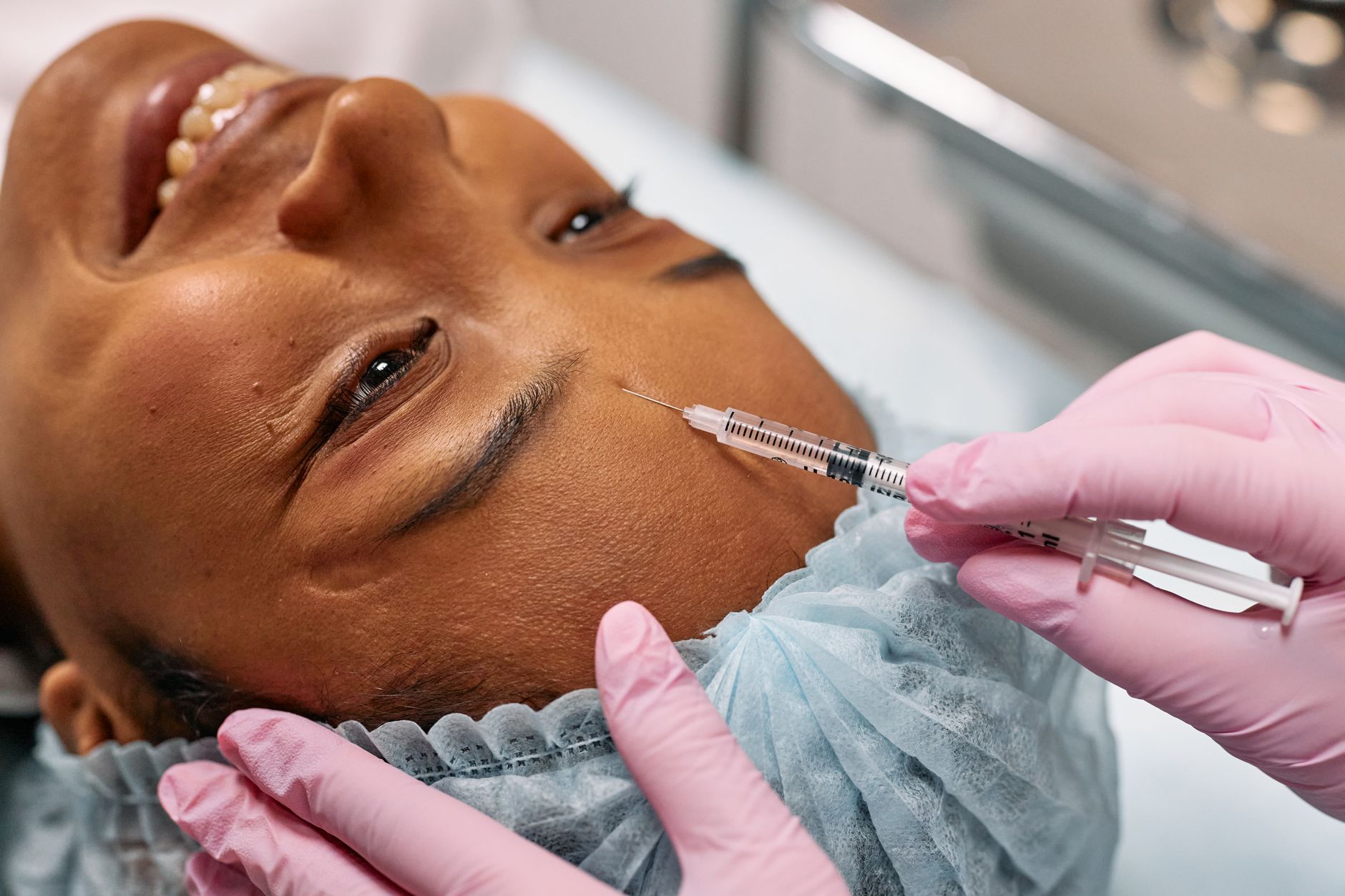
Botox Cost Per Unit in Syracuse, NY: What Drives the Price
By Farah Dermatology9 min read
Provider credentials, injector experience, and product authenticity directly affect price.
For example, consider a 45-year-old parent from Syracuse seeking to soften forehead lines before their child's wedding. Provider credentials, injector experience, and product authenticity directly affect price.
What Is the Average Botox Cost Per Unit in Syracuse, NY?
Syracuse-area Botox pricing sits in a competitive mid-range compared to major metros. Authentic Allergan Botox Cosmetic carries a per-vial wholesale cost that makes deeply discounted pricing nearly impossible to sustain without compromising product concentration or cutting corners on sterile technique. At Farah Dermatology & Cosmetics, we price Botox within the medical-grade tier, reflecting over 40 years of board-certified dermatology practice across Central New York.
How Does Syracuse Pricing Compare to the National Average?
Syracuse falls well below major-market pricing, which benefits patients seeking quality care without the premium associated with dense urban markets. Patients from Fulton, Rome, and Watertown regularly travel to Syracuse for access to board-certified injectors, trading a short drive for significantly better clinical oversight than what is available in smaller communities. That tradeoff is almost always worth it.
Per-Unit vs. Per-Area Pricing: Which Is Better for Patients?
Per-unit pricing is more transparent. It lets you see exactly how much product enters your face and compare quotes across providers on equal footing. Per-area pricing can seem convenient, but it introduces a structural conflict: if a flat fee limits how much product an injector can use and still maintain margin, the incentive shifts toward underdosing. The result can be a treatment that fades faster or never achieves the intended effect. Always ask any provider to disclose the unit count they plan to inject, regardless of whether they bill per unit or per area. A reputable practice answers that question without hesitation.
| Pricing Model | Transparency | Risk | Best For |
|---|---|---|---|
| Per Unit | High, exact product volume known | Low if provider is honest | Patients comparing multiple providers |
| Per Area | Moderate | Underdosing possible | Simple single-area touch-ups |
| Package / Bundle | Variable | Hidden per-unit cost | Multi-area repeat patients |
| Promotional / Event | Low | Dilution, counterfeit risk | Generally avoid for first-time patients |
How Many Botox Units Do Common Treatment Areas Require?
Unit counts vary by anatomy, muscle mass, and treatment goals, but FDA-approved dosing guidelines provide a reliable baseline. Glabellar lines (the "11s" between the brows) are FDA-labeled at exactly 20 units, administered across five injection sites at 4 units per site; higher doses may be used off-label at a provider's discretion, but 20 units is the sole FDA-specified dose. Forehead lines typically require 10 to 30 units depending on muscle strength and the degree of movement a patient wants to preserve. Crow's feet around the eyes are FDA-approved at 12 units per side (24 units total), though practitioners may individualize dosing based on patient anatomy and severity. Add-on treatments like brow lift, lip flip, or neck bands increase the total further.
Why Does the Number of Units Vary So Much Between Patients?
Facial anatomy is not standardized. Muscle mass, bone structure, age, skin thickness, and prior treatment history all shape how many units a skilled injector recommends. A 40-year-old patient with strong frontalis muscles and deep-set forehead creases will need more product than a 32-year-old with mild dynamic lines. Patients new to Botox are typically started conservatively to assess individual response before units are increased. A board-certified dermatologist customizes the dose to your specific anatomy rather than applying a one-size formula. That customization is part of what you pay for at a physician-led practice, and it is what protects you from over-treatment as much as under-treatment.
Unit count by treatment area at a glance:
What Factors Drive the Price of Botox in Syracuse?
Pricing is never arbitrary at a reputable practice. Several concrete cost drivers explain why a board-certified dermatology office charges more than a pop-up injection event. First, provider credentials matter enormously. Board-certified dermatologists complete a total of 4 years of postgraduate training beyond medical school: a required 1-year broad-based internship (PGY-1) followed by a 3-year ACGME-accredited dermatology residency, building expertise in facial anatomy that directly reduces the risk of complications like ptosis (eyelid drooping) or asymmetry. That training carries a cost. Second, medical liability insurance for physician injectors runs significantly higher than coverage for non-physician injectors, and that premium flows into per-unit pricing. Third, operating a full-service dermatology practice with clinical staff, sterile procedure rooms, and on-site emergency protocols costs more than a rented suite with a single injector. These are not markups. They are legitimate overhead costs that protect patients. In Syracuse, downtown offices may also carry higher real estate overhead than suburban satellite locations, contributing modest pricing differences within the market.
Why Does Provider Credential Affect the Price?
The credential gap between a board-certified dermatologist and a nurse injector working independently is more than a title. It represents years of anatomy training, complication management experience, and diagnostic capability. If a complication arises during or after Botox, a dermatologist can assess and treat it on-site. A med spa without physician oversight may lack that capacity, requiring a patient to seek emergency care elsewhere. That clinical safety net is a real product you purchase when you pay a higher per-unit rate at a physician-led practice. The cost of correcting a bad outcome, including additional visits and potential corrective treatment, routinely exceeds any savings from the initial discount. Price is the wrong variable to optimize on when the product is injected into your face.
Is Cheaper Botox Ever a Good Value?
Sometimes, but rarely in the ways that seem obvious. Discounted pricing at a well-credentialed practice during a genuine loyalty promotion can be excellent value. Discounted pricing at an event where vials are reconstituted in non-clinical conditions is a different matter entirely. Heavily discounted Botox can signal diluted vials, counterfeit product, or injectors cutting costs on training and sterile technique. Because Allergan Botox Cosmetic's official list price is approximately $6.56 per unit ($656/100-unit vial) and authorized distributors sell to many small-volume practices at roughly $5-$6 per unit, rates in that range are at or above wholesale cost for many providers and do not inherently indicate inauthentic product, though quality and technique concerns at deeply discounted events remain valid. Complications like ptosis, asymmetry, or bruising from poor injection technique are more common with undertrained injectors and may require corrective treatment that erases the savings entirely.
How to Evaluate a Botox Provider in Central New York
Provider selection is the highest-leverage decision in the entire Botox experience. Price follows quality. Start by verifying that the injector holds board certification from the American Board of Dermatology or a comparable specialty board. New York State professional licenses are searchable through the New York State Education Department's Office of the Professions Online Verification Service (op.nysed.gov/verify-a-license), which lets patients confirm that a provider's license is current and in good standing. Ask the practice specifically whether Allergan-manufactured Botox Cosmetic is used, not an alternative neurotoxin substituted without your knowledge. Review before-and-after photos of real patients treated at that specific practice, not stock images. Confirm a physician is on-site or immediately available during injections, not just affiliated on paper. Farah Dermatology & Cosmetics brings over 40 years of board-certified dermatology experience across Syracuse, Watertown, Fulton, and Rome, with physicians present throughout every procedure. That continuity of care is something no discount event can replicate.
What Questions Should You Ask at a Botox Consultation?
The consultation is your diagnostic tool. A provider who becomes evasive under direct questioning is telling you something important. Ask how many units they recommend for your goals and why. Ask for the brand and lot number of the neurotoxin to be used. Ask what their protocol is if you experience asymmetry or drooping after treatment. Ask whether they include a follow-up appointment two weeks post-treatment to assess results and make minor adjustments. Good injectors welcome these questions. They reflect an informed patient, and informed patients get better outcomes. In Central New York, practices that offer a complimentary or low-cost two-week follow-up are signaling confidence in their work.
Does Insurance Cover Botox, and What Financing Options Exist in Syracuse?
Cosmetic Botox is not covered by health insurance, including Medicare and Medicaid. This is a consistent rule regardless of provider or location in New York State. The picture changes for medical indications. Botox for hyperhidrosis (excessive sweating), chronic migraines, or cervical dystonia may be covered with prior authorization from your insurer. Coverage criteria vary by plan and typically require documented treatment failure with first-line therapies before Botox is approved. If you are pursuing Botox for a medical condition in the Syracuse area, request a letter of medical necessity from your dermatologist early in the process. On the financing side, many dermatology practices including Farah Dermatology & Cosmetics offer CareCredit patient financing with promotional interest-free periods, which makes multi-area treatments more accessible. Our team recommends enrolling in Allergan's Allē loyalty program before your first appointment so that your initial purchase immediately begins accruing points toward future treatments.
What Is the Allergan Allē Program and How Much Can You Save?
Allē is Allergan's free loyalty program that awards points on qualifying purchases of Botox Cosmetic, Juvederm, and other Allergan products at participating practices. Points convert to dollar-value discounts on future treatments, effectively reducing the per-unit cost of repeat sessions over time. Enrollment is free and takes minutes online. The key detail: enroll before your first appointment, not after. Only enrolled members are eligible to earn points on qualifying purchases. Practices in Syracuse, Watertown, Fulton, and Rome that participate in the Allē network can apply these discounts at checkout, making consistent Botox maintenance meaningfully cheaper than the sticker price suggests.
That volume reflects a mature market with established pricing benchmarks. Understanding those benchmarks, and understanding where Syracuse pricing sits within them, is the foundation for making a confident, informed decision about where and how to receive treatment.
Frequently Asked Questions
How much does Botox cost per unit in Syracuse, NY?
Botox at reputable medical practices in Syracuse, NY typically costs $10 to $18 per unit. Board-certified dermatology offices tend toward the upper end of that range, reflecting physician-grade oversight and authentic Allergan product. Nationally, per-unit rates run $11 to $25 depending on region and injector expertise, so Syracuse offers competitive mid-market pricing.
How many units of Botox do I need for my forehead?
Forehead lines typically require 10 to 30 units depending on your muscle strength and how much movement you want to preserve. Adding glabellar lines (the 11s) brings the total to roughly 30 to 55 units for the upper forehead zone alone. Your injector should customize the dose after assessing your specific facial anatomy in person.
Is it safe to get Botox at a med spa instead of a dermatologist?
It can be, provided a licensed physician supervises injections and authentic product is used. The risk is higher at facilities where a physician is not on-site, since complications like ptosis or asymmetry require medical evaluation. Board-certified dermatologists in Syracuse can diagnose and manage complications on-site, a safety net that independent med spas often cannot match.
How long does Botox last, and does that affect the overall cost?
Botox results typically last 3 to 4 months, meaning most patients schedule 3 treatments per year. Durability depends on muscle mass, metabolism, unit count, and injection technique. Under-dosing to reduce upfront cost often shortens longevity, making the annual cost higher despite a lower per-session price. Proper dosing by an experienced injector tends to be more economical over time.
Can I use health insurance to pay for Botox in New York?
Cosmetic Botox is not covered by health insurance in New York or anywhere in the US. Botox for medical conditions like hyperhidrosis, chronic migraines, or cervical dystonia may be covered with prior authorization from your insurer. Coverage typically requires documented failure of first-line treatments. Ask your dermatologist for a letter of medical necessity to start the authorization process.
What is the Allergan Allē program and how does it save money on Botox?
Allē is Allergan's free loyalty program that awards points for spending on Botox Cosmetic, Juvederm, and other Allergan treatments at participating practices. Points convert to dollar-value discounts on future visits. Enroll before your first appointment so your initial purchase earns points immediately. Patients in Syracuse who use Allē consistently reduce their effective per-unit cost across multiple treatment sessions each year.
Why does Botox cost more at a dermatology office than at a discount event?
Dermatology offices carry higher overhead: physician salaries, medical liability insurance, sterile procedure rooms, clinical staff, and emergency protocols. Authentic Allergan Botox also carries a wholesale cost floor that makes deeply discounted per-unit pricing financially unsustainable without compromising product or technique. The higher price at a physician-led practice reflects genuine operational and safety costs, not simply brand positioning.
How do I know if a Botox provider in Syracuse is board-certified?
Verify credentials through the New York State Department of Health's Health Commerce System, which lists all licensed providers and their specialties. You can also confirm board certification through the American Board of Medical Specialties website. Ask the practice directly which physician holds board certification in dermatology or a comparable specialty and whether that physician is present during your treatment.
What is the average Botox price per unit in Syracuse, NY?
The average Botox price per unit in Syracuse falls between $10 and $18 at medical-grade practices. Board-certified dermatology offices generally price toward $14 to $18, while some promotional rates from local med spas have been advertised as low as $7.99 to $8.99 per unit. Prices below $10 per unit warrant scrutiny regarding product authenticity and injector credentials.
Do Syracuse dermatology practices offer Botox specials or discounts?
Yes. Many Syracuse practices participate in Allergan's Allē loyalty program, offering point-based discounts on repeat treatments. Some practices run seasonal promotions or bundle pricing for multi-area sessions. Farah Dermatology & Cosmetics also offers CareCredit financing with promotional interest-free periods, which effectively lowers the upfront cost. Always confirm that promotional pricing reflects standard product concentration and dosing.
How many units are typically needed for common Botox treatments?
Glabellar lines (11s) typically need 20 to 25 units per FDA labeling. Forehead lines require 10 to 30 units. Crow's feet take 5 to 15 units per side. A full upper-face treatment combining all three areas commonly totals 40 to 64 units. Men typically need 20 to 30 percent more units than women due to greater facial muscle mass.
Are consultation fees included with Botox pricing in Syracuse?
Consultation fee policies vary by practice. Some Syracuse dermatology offices offer complimentary Botox consultations, while others apply a modest fee that may be credited toward treatment. Always ask when booking. A reputable practice discloses the consultation fee structure upfront and provides a clear unit-based treatment plan during the visit rather than a vague estimate or pressure to book immediately.
Which Syracuse dermatology clinics have the lowest Botox prices?
Lowest price is rarely the right search criterion for an injectable treatment. Promotional rates from Central New York med spas have appeared as low as $7.99 to $8.99 per unit, but those prices raise legitimate questions about product authenticity and injector training. Farah Dermatology & Cosmetics prices Botox competitively within the medical-grade range, offering transparent per-unit pricing with board-certified physician oversight across Syracuse, Watertown, Fulton, and Rome.
Sources & References
- BOTOX Cosmetic (onabotulinumtoxinA) Full Prescribing Information – FDA (current label)[factcheck]
- BOTOX Cosmetic FDA Prescribing Information (FDA.gov)[factcheck]
- BOTOX Cosmetic FDA Prescribing Information (October 2024) – FDA.gov[factcheck]
- LCD - Botulinum Toxin Types A and B Policy (L35170) - Centers for Medicare & Medicaid Services (CMS)[factcheck]
- BOTOX (onabotulinumtoxinA) FDA-Approved Labeling - accessdata.fda.gov[factcheck]
- Online Verification Searches - Office of the Professions | NYSED[factcheck]
About the Author
Farah Dermatology
Farah Dermatology & Cosmetics is Central New York's premier board-certified practice, providing 40+ years of expert medical, surgical, and cosmetic skin care across Syracuse, Watertown, Fulton, and Rome.
Related Posts
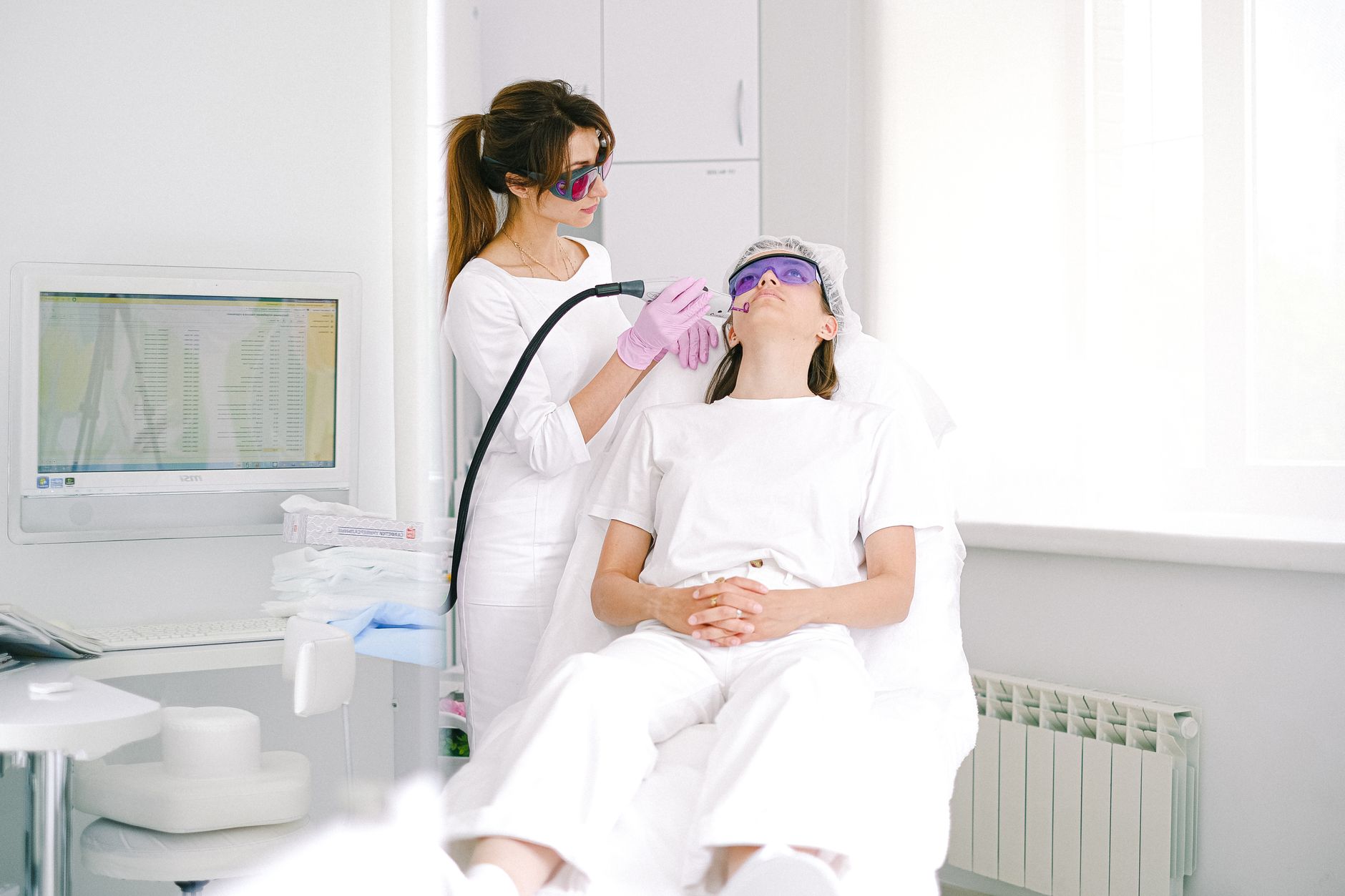
Laser Hair Removal Cost in Central New York: Price Breakdown by Body Area
Laser hair removal in Central New York typically costs $100 to $900 per session depending on the body area treated. This guide breaks down pricing by zone, explains what drives cost differences, and helps you estimate your total investment across a full treatment plan.
9 min read
Does Insurance Cover MOHS Surgery in Syracuse, NY?
MOHS surgery is a medically necessary skin cancer procedure, and most major insurance plans cover it. This guide explains exactly what Medicare, Medicaid, and private insurers pay for in Syracuse, NY, and how to avoid unexpected out-of-pocket costs.
9 min read